JMT – SIMPOD Conference and Public Meeting Immersive Visualization Experience
“An immersive visualization platform designed for people—not goggles.”
Initiated: 2018
Role: Concept Creator, Innovation Lead
Focus: Immersive visualization, public engagement, design communication
Overview
In late 2018, I identified a growing gap between advanced engineering models and how effectively we could share those designs with clients, stakeholders, and the public. While VR headsets were gaining popularity, they presented practical challenges for public settings: discomfort, disorientation, hygiene concerns, and adoption resistance—issues that later became even more pronounced after COVID‑19.
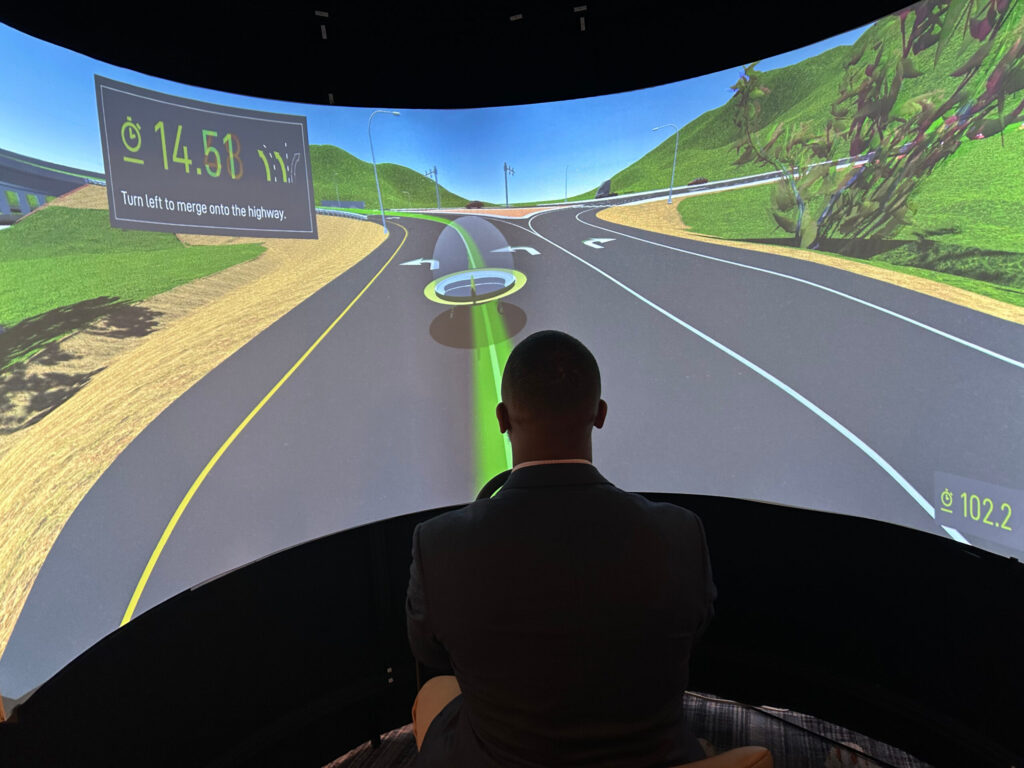
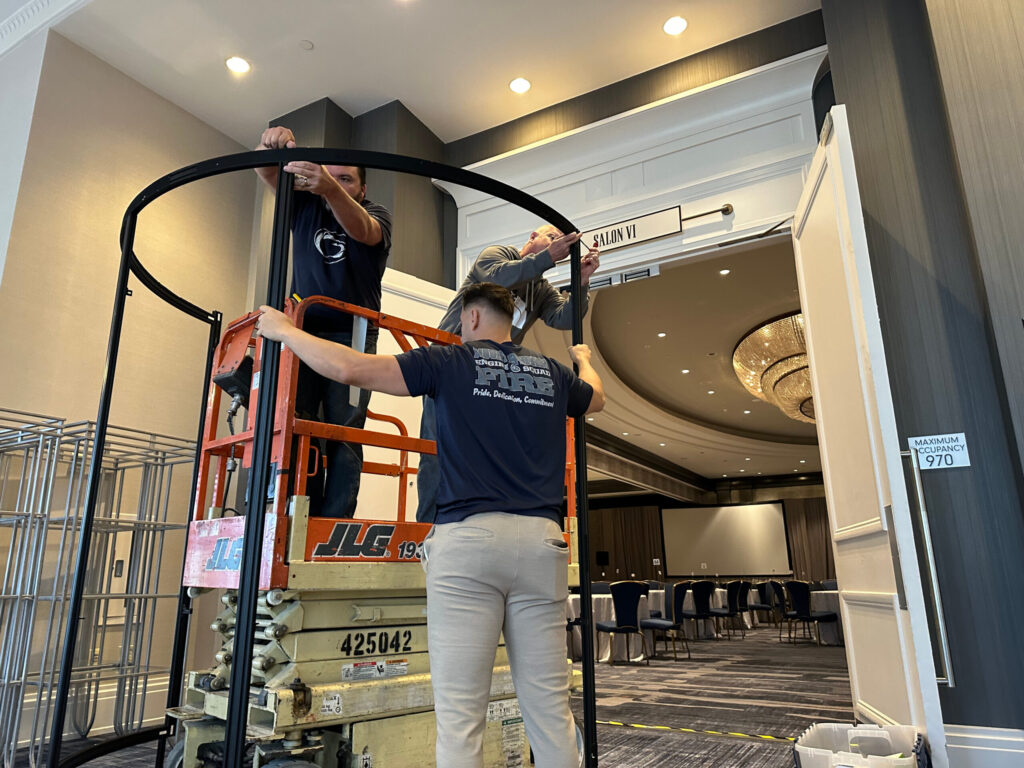
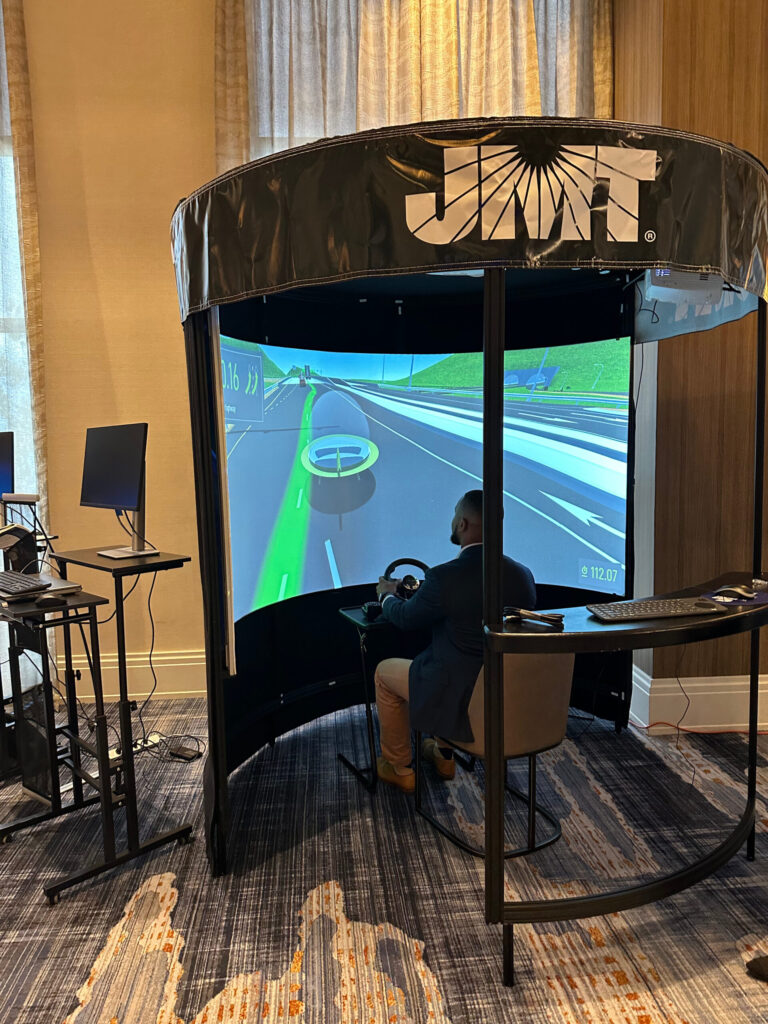
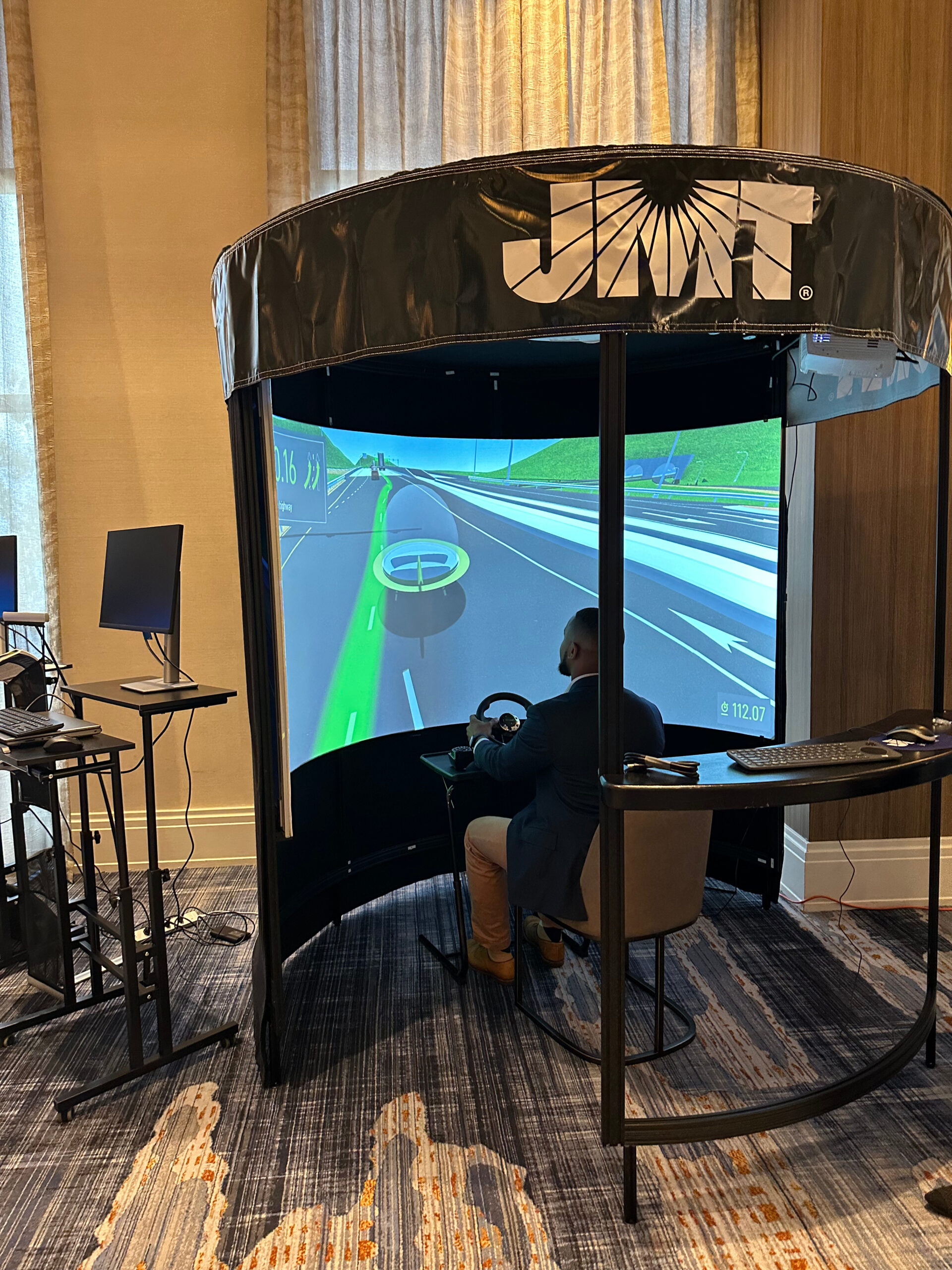
To address this, I pitched and helped develop SIMPOD—a 180‑degree immersive display system designed to fit within a standard trade show booth or public meeting space. SIMPOD enabled users to experience engineering models and simulations without goggles, headsets, or specialized equipment, creating an accessible and engaging visualization platform.
Why This Belongs in My Portfolio
The SIMPOD project represents how I approach innovation—not by chasing technology trends, but by focusing on people, usability, and real‑world constraints. In 2018, immersive visualization was being defined almost entirely by VR headsets. Many firms were experimenting with goggles simply because they were new and impressive. I chose a different path.
From conference floors and public meetings, I saw firsthand that VR created barriers: people were hesitant to wear shared headsets, some experienced dizziness or disorientation, and group conversations disappeared once individuals were isolated inside goggles. I believed that if immersive technology was going to meaningfully support engineering communication—particularly with the public—it needed to be collective, accessible, and comfortable.
SIMPOD was my response to that gap. Rather than isolating users, it created a shared immersive environment where stakeholders could experience engineering models together, ask questions in real time, and understand infrastructure projects without specialized equipment. That decision proved prescient. Hygiene concerns, accessibility challenges, and user hesitation around wearable tech became even more pronounced during and after the COVID‑19 pandemic. SIMPOD avoided those issues entirely.
What makes this project especially meaningful to me is that it was an internal idea I pitched from scratch. There was no client mandate and no guaranteed payoff. The value came from experimentation, learning, and positioning our firm to communicate engineering differently. The fact that SIMPOD is still used today for special events reinforces that it solved a real problem—not just a temporary trend.
This project also reflects something I believe strongly:
technology should support storytelling, not overshadow it. SIMPOD wasn’t about visual flash—it was about helping people understand design intent, construction sequencing, traffic operations, and community impacts. The platform even enabled early experimentation with simulation and gamification, long before those ideas became common in transportation outreach.
Most importantly, SIMPOD connects directly to everything else in my portfolio. The same mindset that drove this project—human‑centered design, risk awareness, forward thinking, and practical deployment—also shows up in my work advancing model‑based design, ProjectWise implementation, Digital Delivery pilots, and subject matter expert development. SIMPOD was an early manifestation of how I lead digital change: thoughtfully, inclusively, and with long‑term value in mind.
What SIMPOD Is
- A portable 180‑degree curved visualization system
- Designed for conference booths, public meetings, and client demos
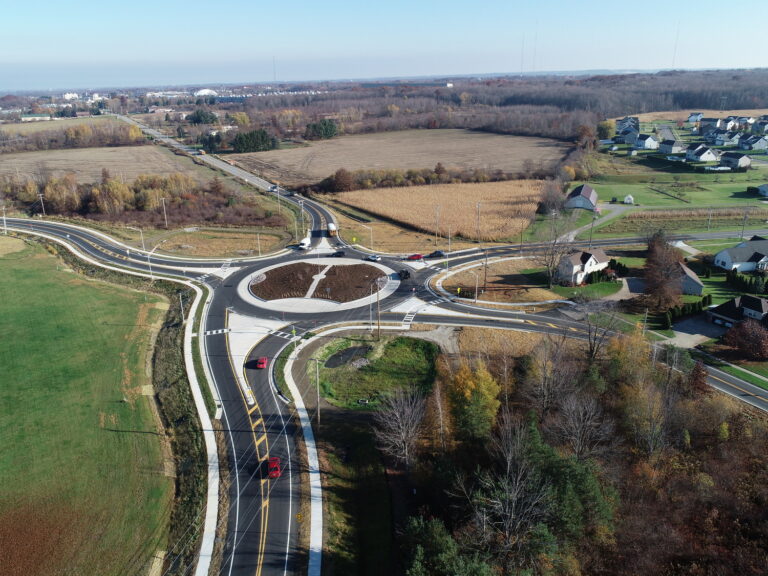
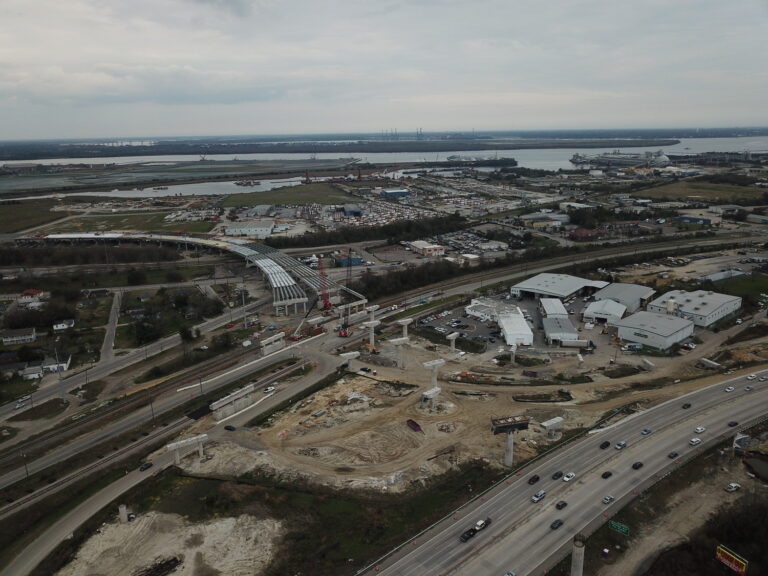
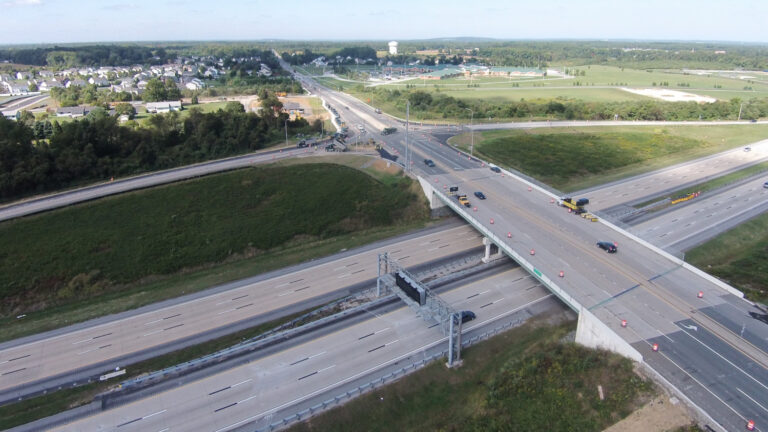
- Displays engineering models, animations, simulations, and interactive content
- Supports hands‑on engagement without VR or AR headsets
Unlike VR, SIMPOD allows participants to:
- Move naturally
- Share the experience collectively
- Engage without motion sickness or hygiene concerns
Why This Mattered
- Human‑Centered Design: Recognized that not all users are comfortable with headsets or immersive goggles
- Public Engagement: Enabled shared experiences that work better for community outreach
- Pre‑COVID Insight: Anticipated hygiene concerns that later became critical
- Accessibility: Lowered participation barriers for users with physical or sensory limitations
- Design Clarity: Improved understanding of complex geometry, traffic operations, and construction sequencing
My Contributions
- Concept & Advocacy: Pitched SIMPOD as an internal innovation and positioned it as a differentiator for outreach
- Use‑Case Definition: Focused on simulation, design storytelling, and early gamification of engineering models
- Internal Adoption: Supported deployment at conferences and public events; enabled teams to use it effectively
- Technology Strategy: Selected immersive visualization over VR based on usability, accessibility, and operational realities
- Long‑Term Value: The system remains in use today for special events
Impact
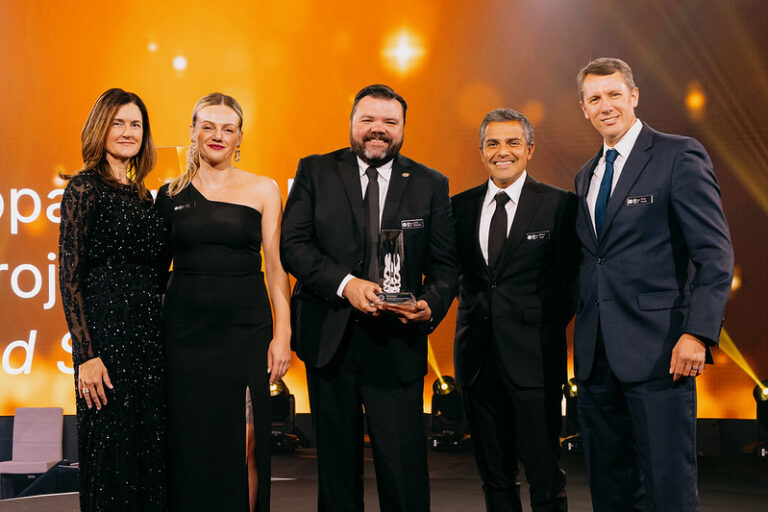
- Became a standout attraction at conferences and public meetings
- Elevated how engineering designs were communicated to non‑technical audiences
- Differentiated JMT as a firm willing to experiment thoughtfully, not just follow trends
- Demonstrated how immersive environments can support design validation and engagement, not just visualization
Lessons Learned
- Innovation is as much about user comfort and trust as technical capability
- Shared, screen‑based immersion is often more effective than individual headsets
- Even as technology evolves, good design storytelling remains timeless
- Early experimentation builds institutional knowledge that pays dividends later